


Based on the analysis of archaeological, documentary, oral and historiographical data, it has been established that the ancient route that still exists between Pindo, Ardãos, Senhor do Bonfim and Seara Velha corresponds to the remains of the Roman road that connected Bracara Augusta (Braga) to Asturica Augusta (Astorga), via Aquae Flaviae (Chaves) – the road XVII of the Itinerarium Antonini.
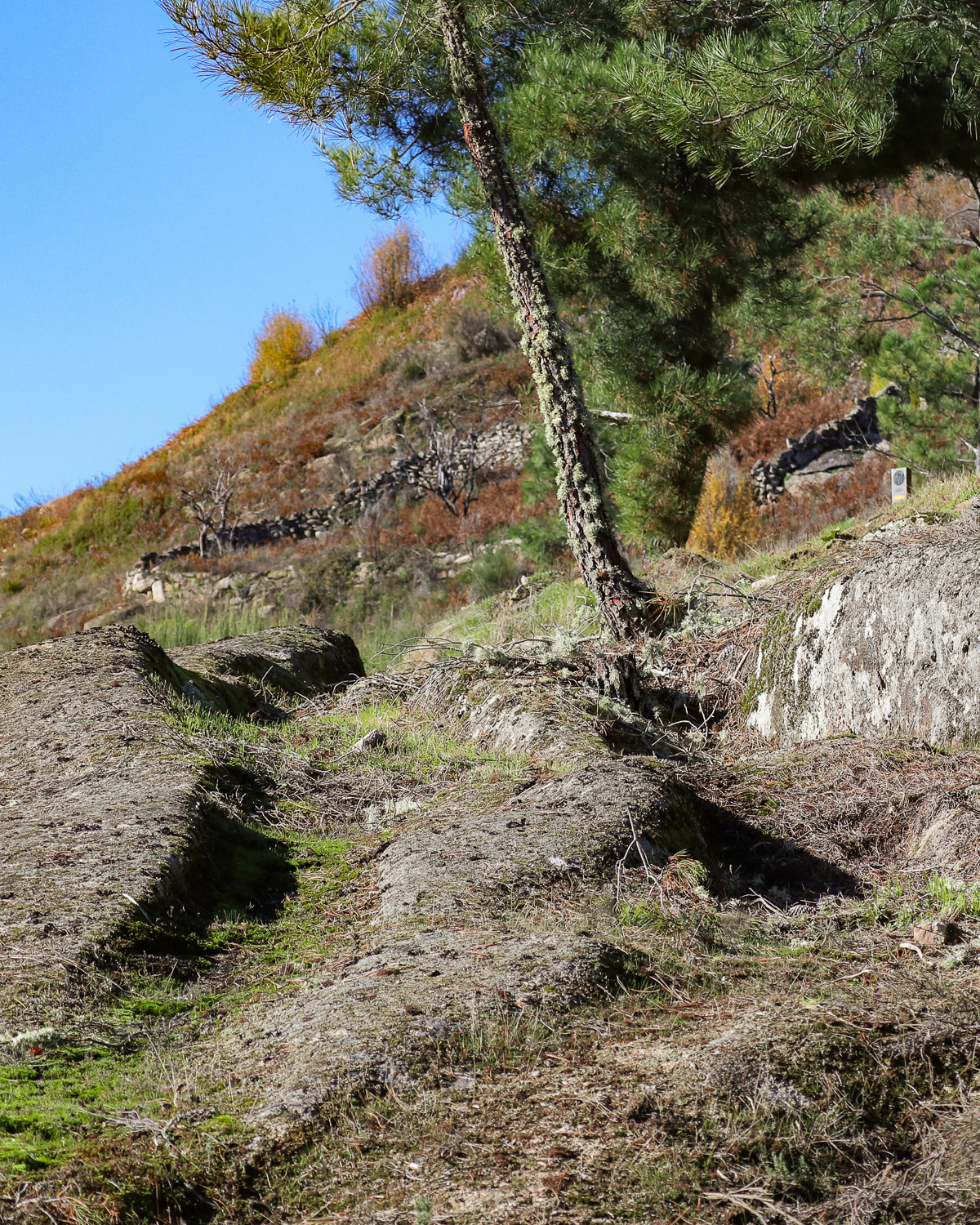
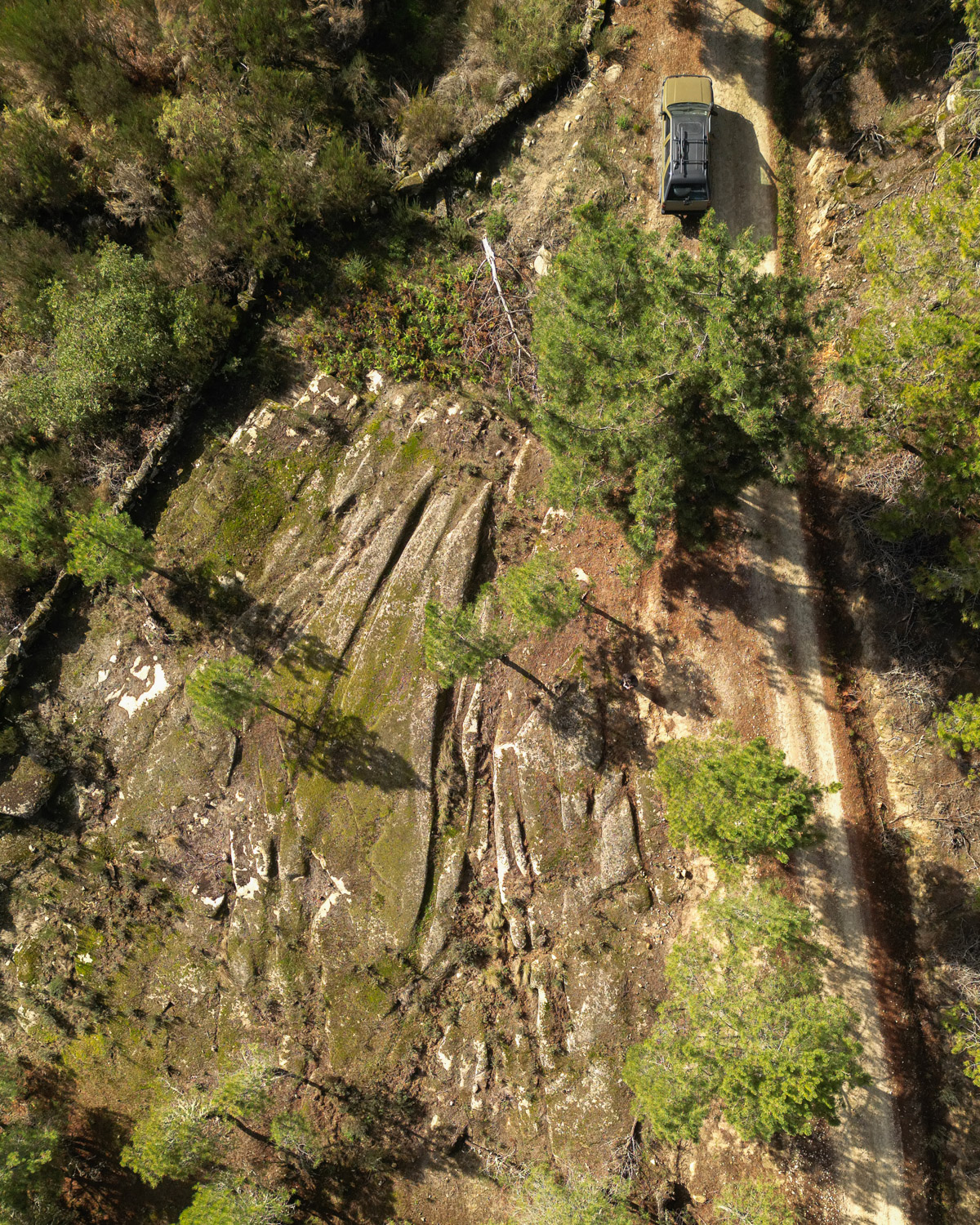
This road served several Roman settlements and the important mining area of the Terva Valley, with a topographically balanced layout, as evidenced by some preserved sections of the road.
The route in this area is indirectly associated with at least six milestones, which document the continued maintenance of the road, the oldest from the emperor Augustus (27 BC-14 AD) and the most recent from the emperor Hadrian (136-137).
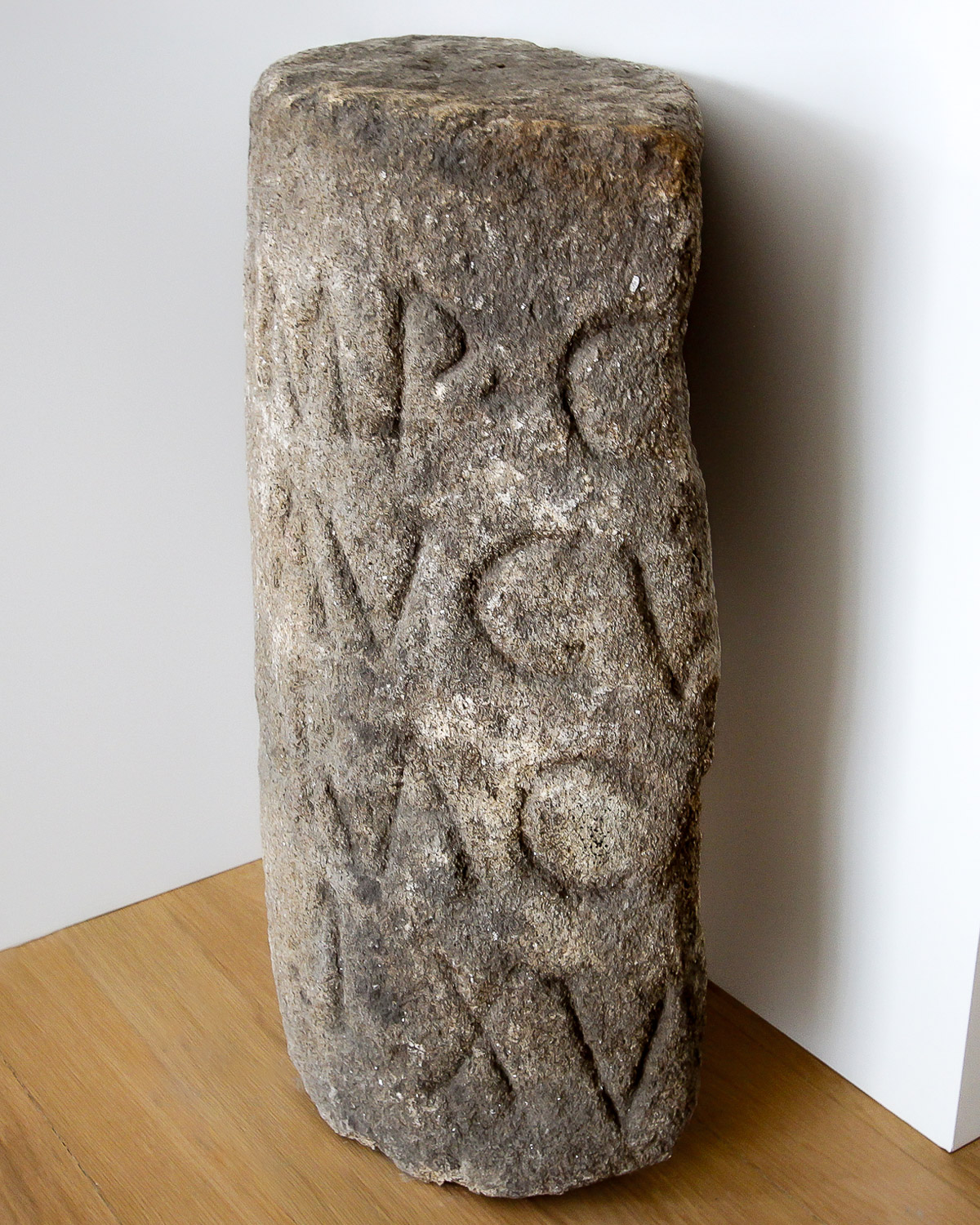
The TVAP Interpretation Centre in Bobadela houses fragments of Augustus' miliary, which was reused as a sarcophagus in the Middle Ages. It bears the following inscription: IMP (eratori) CAE|s (ari)/ AUGUS|O| A| BRAC|ARA M.P.|LXV. It was found on the slopes of Lapabar, Sapelos, and was originally located in the Pindo area, on the way to the plateau of Cervos, Montalegre.
Location
The dirt roads are not suitable for light vehicles.
More about the Terva Valley Archaeological Park (TVAP) here.
More about the TVAP Ancient Roads Route here.
